
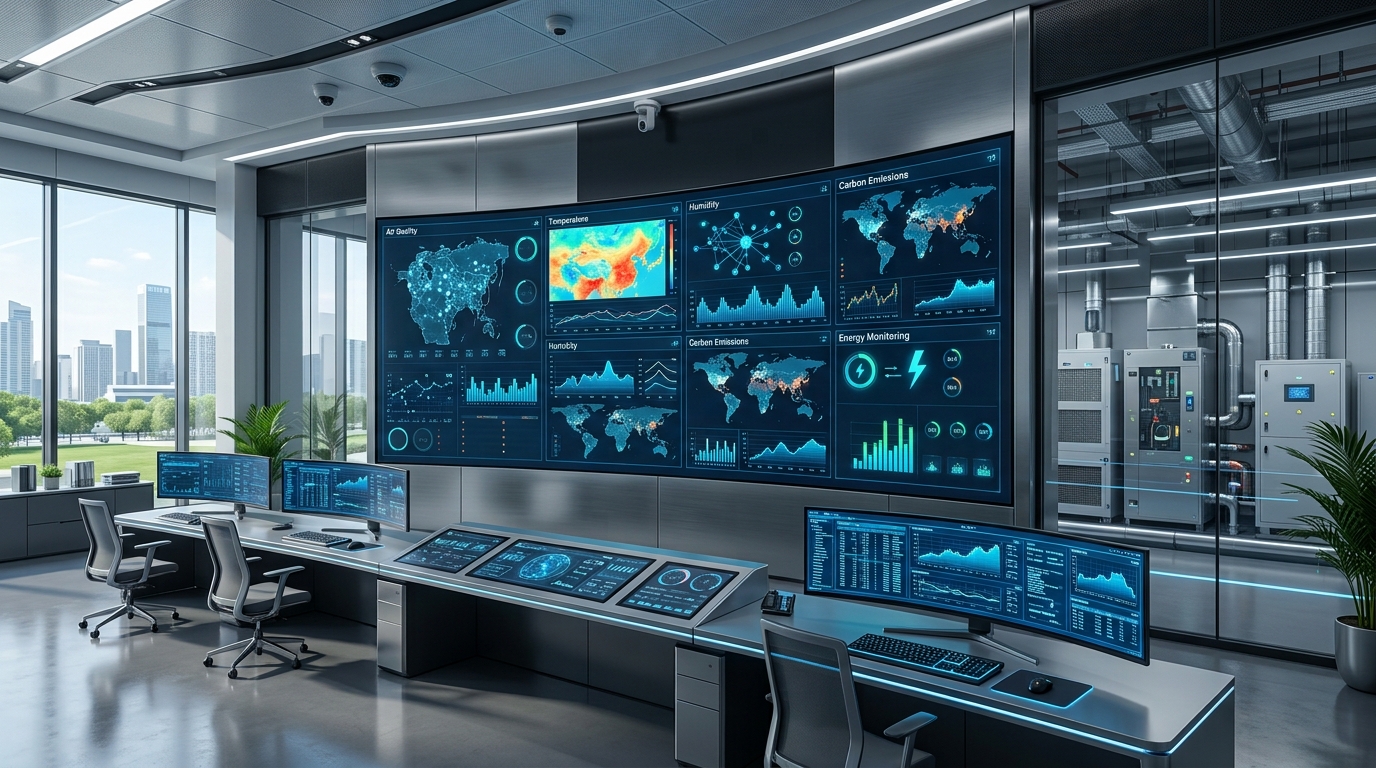
Environmental control technology has become one of the most important innovations for creating safer, healthier, and more sustainable environments. From smart homes and hospitals to factories and greenhouses, modern environmental control systems help monitor and manage air quality, temperature, humidity, pollution, energy consumption, and many other environmental conditions.
With the rise of Artificial Intelligence (AI), the Internet of Things (IoT), Machine Learning, and smart sensors, environmental control technology is becoming more intelligent and efficient than ever before.
In this comprehensive guide, you’ll learn what environmental control technology is, how it works, where it is used, its benefits, challenges, future trends, and answers to the most frequently asked questions.
What Is Environmental Control Technology?
Environmental control technology refers to the systems, equipment, software, and sensors used to monitor, regulate, and improve environmental conditions.
These technologies automatically collect environmental data and adjust systems to maintain ideal conditions while reducing pollution, improving energy efficiency, and protecting people and the environment.
Environmental control technology is widely used in:
- Smart buildings
- Manufacturing plants
- Hospitals
- Data centers
- Agriculture
- Laboratories
- Warehouses
- Commercial offices
- Schools
- Transportation systems
Its main goal is creating healthier, safer, and more energy-efficient environments.
Why Environmental Control Technology Matters
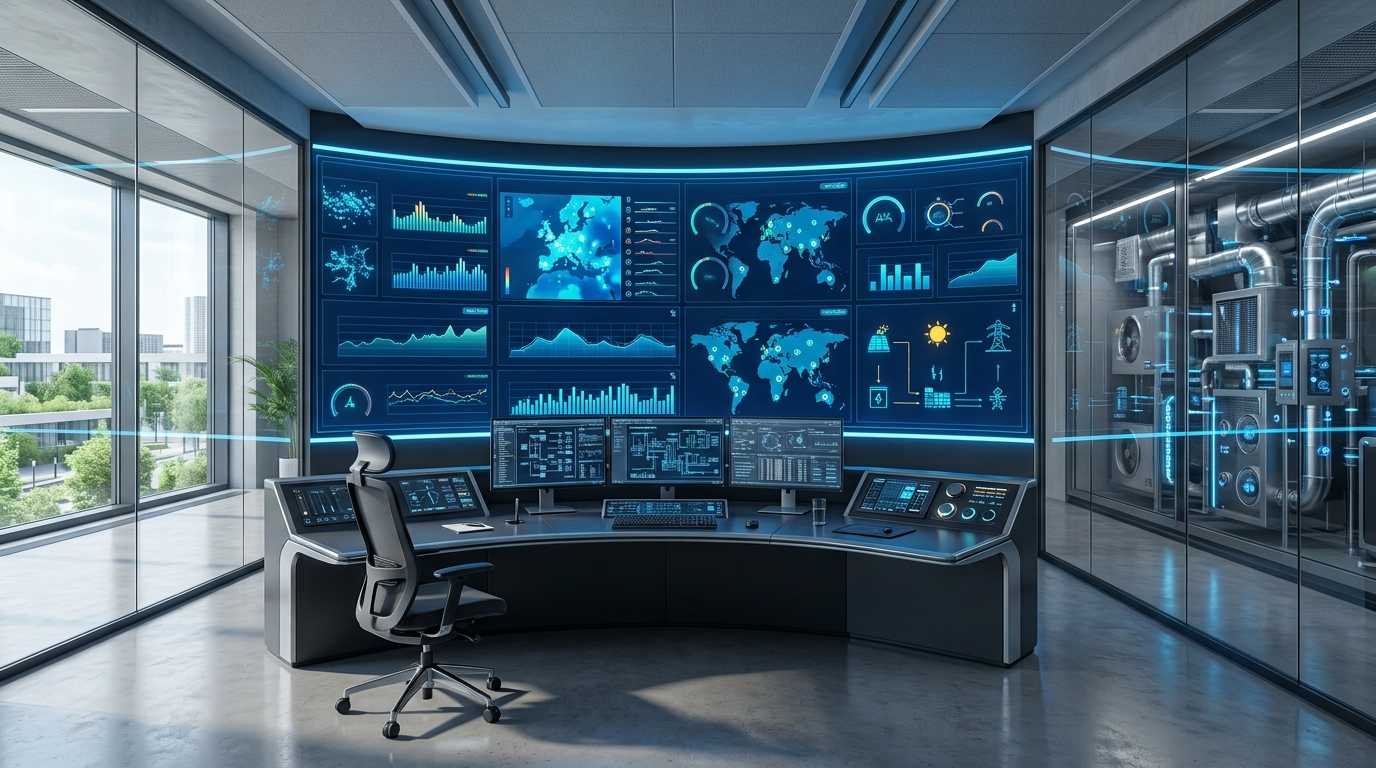
Modern industries face increasing challenges, including climate change, rising energy costs, stricter environmental regulations, and growing concerns about indoor air quality.
Environmental control systems help organizations:
- Reduce energy consumption
- Improve workplace safety
- Lower carbon emissions
- Monitor pollution levels
- Protect sensitive equipment
- Improve employee comfort
- Meet environmental compliance requirements
- Support sustainability goals
As governments introduce stricter environmental standards, businesses are investing heavily in smarter monitoring and automation technologies.
How Environmental Control Technology Works
An environmental control system continuously collects environmental data, analyzes it, and automatically makes adjustments when necessary.
The basic workflow includes:
Step 1: Environmental Monitoring
Smart sensors measure:
- Temperature
- Humidity
- Air quality
- Carbon dioxide (CO₂)
- Particulate matter (PM2.5)
- Noise levels
- Water quality
- Pressure
- Light intensity
Step 2: Data Collection
IoT devices send sensor data to cloud platforms or Building Management Systems (BMS).
This enables real-time monitoring from computers, tablets, or smartphones.
Step 3: Data Analysis
AI and Machine Learning analyze the collected data to identify patterns, detect anomalies, and predict future environmental changes.
Examples include:
- Predicting HVAC failures
- Detecting pollution spikes
- Forecasting energy demand
- Identifying unsafe workplace conditions
Step 4: Automated Response
If environmental conditions move outside acceptable limits, the system automatically adjusts equipment such as:
- HVAC systems
- Ventilation fans
- Air purifiers
- Humidifiers
- Dehumidifiers
- Lighting controls
- Water treatment systems
This process requires little human intervention.
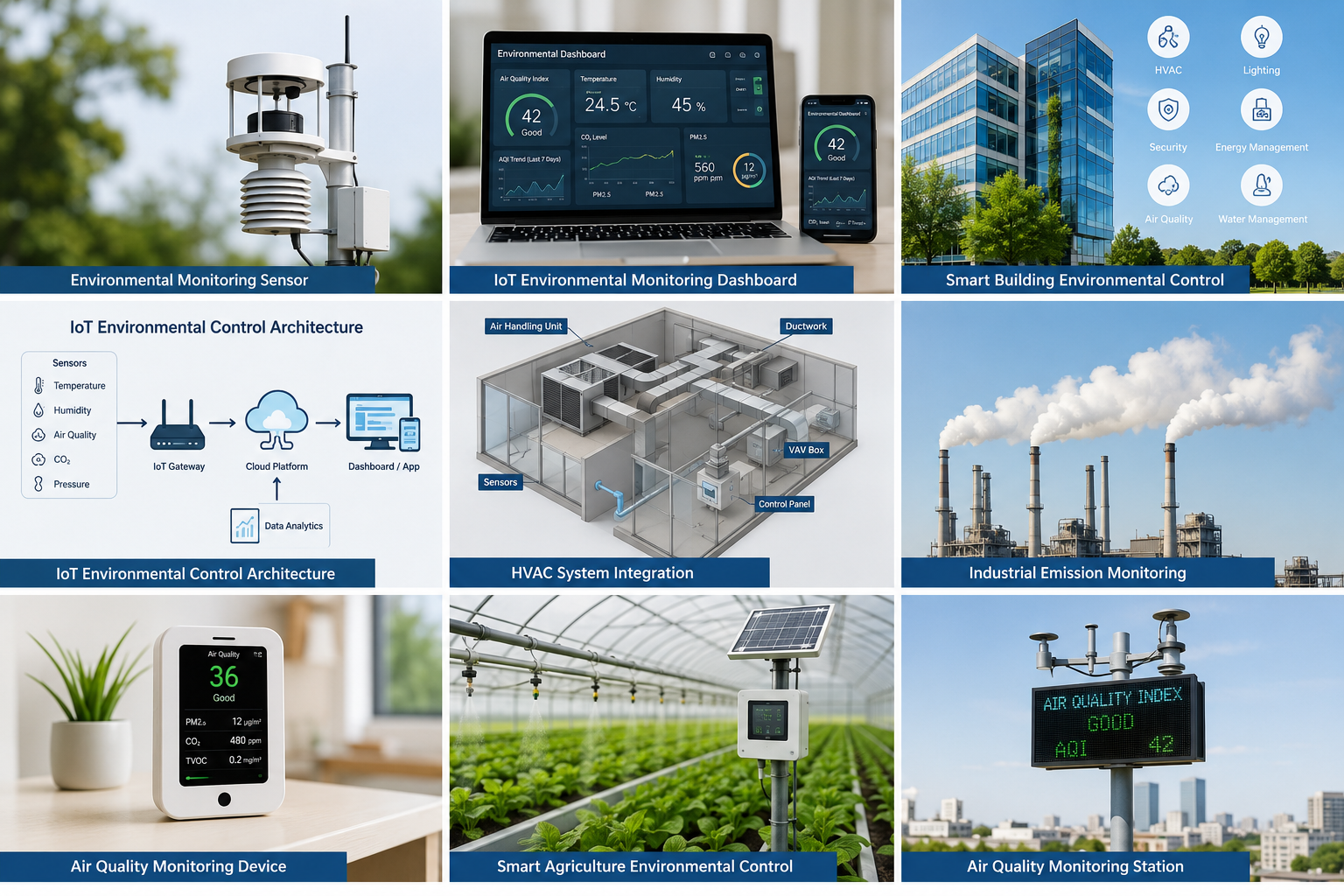
Key Components of Environmental Control Systems
A modern environmental control system typically includes:
Environmental Sensors
Sensors are responsible for collecting real-time environmental data.
Common sensor types include:
- Temperature sensors
- Humidity sensors
- Air quality sensors
- Carbon monoxide sensors
- Carbon dioxide sensors
- Smoke detectors
- Water quality sensors
- Dust sensors
- Noise sensors
- Occupancy sensors
IoT Devices
Internet of Things (IoT) devices connect sensors with cloud platforms, allowing remote monitoring and automation.
Benefits include:
- Wireless monitoring
- Real-time alerts
- Mobile access
- Cloud storage
- Remote control
HVAC Systems
Heating, Ventilation, and Air Conditioning (HVAC) systems regulate indoor climate.
Modern HVAC environmental control systems automatically adjust:
- Heating
- Cooling
- Ventilation
- Air filtration
- Fresh air circulation
Smart HVAC systems significantly improve indoor air quality while reducing energy costs.
Building Management System (BMS)
A Building Management System integrates all environmental technologies into a single platform.
It controls:
- HVAC
- Lighting
- Energy usage
- Security systems
- Fire safety
- Environmental monitoring
Large commercial buildings rely heavily on BMS platforms.
Artificial Intelligence
AI helps environmental systems become smarter by:
- Detecting abnormal patterns
- Predicting equipment failures
- Optimizing energy use
- Reducing maintenance costs
- Improving environmental performance
Machine Learning
Machine Learning allows systems to improve automatically using historical environmental data.
For example:
- Learning occupancy patterns
- Predicting weather impacts
- Optimizing temperature schedules
- Improving energy efficiency
Types of Environmental Control Systems
Different industries require different environmental control technologies.
Indoor Environmental Control
Used in homes, offices, schools, and hospitals.
Controls include:
- Air quality
- Temperature
- Humidity
- Ventilation
- Lighting
Industrial Environmental Control
Factories use advanced systems for:
- Dust control
- Emission monitoring
- Chemical safety
- Temperature regulation
- Worker safety
Industrial automation improves both productivity and environmental compliance.
Greenhouse Environmental Control
Smart agriculture relies on environmental control systems for:
- Temperature management
- Irrigation automation
- Humidity control
- CO₂ monitoring
- Light optimization
These systems increase crop yields while conserving water and energy.
Healthcare Environmental Control
Hospitals require precise environmental conditions to prevent infections and protect patients.
Applications include:
- Operating rooms
- Laboratories
- Pharmaceutical storage
- Isolation rooms
- Medical research facilities
Environmental Monitoring Technology
Environmental monitoring technology continuously measures environmental conditions using sensors and digital platforms.
Common monitoring applications include:
- Air quality monitoring
- Water quality monitoring
- Weather monitoring
- Pollution monitoring
- Noise monitoring
- Carbon emissions tracking
- Indoor environmental quality
Real-time dashboards make environmental monitoring easier for businesses and governments.
AI in Environmental Control Technology
Artificial Intelligence is transforming environmental engineering.
AI systems can:
- Predict pollution events
- Optimize HVAC performance
- Detect equipment failures
- Reduce energy waste
- Improve environmental compliance
- Support carbon reduction initiatives
AI enables organizations to make faster and more accurate decisions.
IoT-Based Environmental Monitoring
IoT environmental monitoring connects sensors through wireless networks.
Advantages include:
- 24/7 monitoring
- Remote access
- Instant notifications
- Cloud-based analytics
- Lower operating costs
- Improved reliability
IoT is the backbone of modern smart environmental systems.
Digital Twins and Predictive Analytics
One of the newest trends is the use of Digital Twins.
A Digital Twin is a virtual copy of a building, factory, or environmental system.
Benefits include:
- Testing improvements before implementation
- Predicting equipment failures
- Optimizing maintenance schedules
- Simulating environmental changes
Combined with predictive analytics, Digital Twins help organizations reduce downtime and maintenance costs.
Environmental Control Technology Applications
Smart Buildings
Smart buildings automatically manage:
- Lighting
- HVAC
- Indoor air quality
- Energy usage
- Occupancy
This creates healthier and more energy-efficient workplaces.
Manufacturing
Manufacturers use environmental control systems for:
- Dust collection
- Air filtration
- Emission control
- Worker safety
- Equipment protection
Agriculture
Smart farming uses environmental sensors to monitor:
- Soil moisture
- Temperature
- Humidity
- Greenhouse climate
- Irrigation systems
This increases crop productivity while conserving resources.
Healthcare
Hospitals use environmental control technology to maintain sterile conditions and improve patient safety.
Data Centers
Servers generate significant heat.
Environmental control systems prevent overheating while reducing electricity consumption.
Warehouses
Climate-controlled warehouses protect products from damage caused by temperature or humidity changes.
Benefits of Environmental Control Technology
Organizations investing in environmental control systems experience many advantages.
Improved Air Quality
Continuous monitoring reduces harmful pollutants and creates healthier indoor environments.
Higher Energy Efficiency
Smart automation lowers unnecessary energy use, reducing utility costs.
Lower Carbon Emissions
Optimized equipment operation reduces greenhouse gas emissions and supports sustainability goals.
Better Workplace Safety
Real-time monitoring identifies hazardous environmental conditions before they become dangerous.
Predictive Maintenance
AI detects equipment issues early, reducing downtime and repair costs.
Regulatory Compliance
Environmental monitoring simplifies compliance with environmental laws and industry standards.
Remote Monitoring
Cloud-based platforms allow managers to monitor facilities from anywhere.
Increased Productivity
Comfortable indoor environments improve employee health and performance.
Challenges of Environmental Control Technology
Despite its benefits, environmental control technology also has some challenges.
- High initial installation costs
- Complex system integration
- Cybersecurity risks
- Ongoing maintenance
- Staff training requirements
- Data privacy concerns
- Compatibility with older equipment
However, long-term savings often outweigh the initial investment.
Future Trends
Environmental control technology continues to evolve rapidly.
Major trends include:
- AI-powered automation
- Advanced Machine Learning
- Edge computing
- Digital Twins
- Smart Buildings
- Renewable energy integration
- Carbon footprint tracking
- Wireless environmental sensors
- Predictive maintenance
- Autonomous environmental monitoring
- Environmental analytics
- Climate adaptation technologies
As technology advances, environmental systems will become even more intelligent, connected, and sustainable.
Environmental Control Technology vs Traditional Monitoring
| Feature | Traditional Systems | Modern Environmental Control Technology |
|---|---|---|
| Monitoring | Manual | Automated |
| Data Collection | Periodic | Real-time |
| Alerts | Limited | Instant notifications |
| Maintenance | Reactive | Predictive |
| Energy Efficiency | Moderate | High |
| AI Support | No | Yes |
| Remote Monitoring | Rare | Standard |
| IoT Integration | No | Yes |
| Data Analytics | Basic | Advanced |
| Automation | Minimal | Extensive |
Real-World Example
Imagine a modern office building equipped with environmental control technology.
Hundreds of smart sensors monitor temperature, humidity, carbon dioxide levels, occupancy, and air quality every minute.
When meeting rooms become crowded, the Building Management System automatically increases fresh air ventilation. If outdoor temperatures drop, the HVAC system adjusts heating to maintain comfort while minimizing energy use.
AI analyzes historical data to predict when air filters need replacement, allowing maintenance teams to act before performance declines. Building managers can monitor everything remotely through a cloud dashboard, reducing energy costs while improving employee comfort and indoor air quality.
This illustrates how environmental control technology combines automation, data analytics, and intelligent decision-making to create healthier, more efficient buildings.
Frequently Asked Questions
What is environmental control technology?
Environmental control technology is the use of sensors, automation, AI, IoT, and software to monitor and regulate environmental conditions such as temperature, humidity, air quality, pollution, and energy use.
How do environmental control systems work?
Sensors collect real-time environmental data, software analyzes the information, and automated equipment adjusts environmental conditions to maintain optimal performance.
What are environmental sensors?
Environmental sensors are devices that measure conditions such as temperature, humidity, air quality, pressure, water quality, carbon dioxide, and particulate matter.
What industries use environmental control technology?
Industries include healthcare, manufacturing, agriculture, commercial buildings, transportation, laboratories, education, warehousing, and data centers.
How does AI improve environmental control?
AI predicts equipment failures, optimizes HVAC performance, analyzes environmental data, reduces energy consumption, and improves operational efficiency.
What is IoT environmental monitoring?
IoT environmental monitoring connects sensors to cloud platforms, enabling real-time data collection, remote monitoring, and automated environmental management.
What are the biggest benefits?
The main benefits include improved air quality, reduced energy costs, lower carbon emissions, predictive maintenance, better safety, regulatory compliance, and enhanced sustainability.
What is the future of environmental control technology?
The future includes AI-driven automation, Digital Twins, advanced analytics, smart sensors, renewable energy integration, predictive maintenance, and highly connected smart buildings.
Conclusion
Environmental control technology is transforming how we monitor, manage, and protect our surroundings. By combining smart sensors, IoT, AI, Machine Learning, HVAC automation, and Building Management Systems, organizations can create safer workplaces, healthier indoor environments, and more sustainable operations.
Whether used in homes, hospitals, factories, farms, or commercial buildings, these technologies improve air quality, increase energy efficiency, reduce operational costs, and support environmental protection. As innovations such as Digital Twins, predictive analytics, and intelligent automation continue to mature, environmental control technology will play an even greater role in addressing climate change, reducing carbon emissions, and building smarter, greener communities for the future.